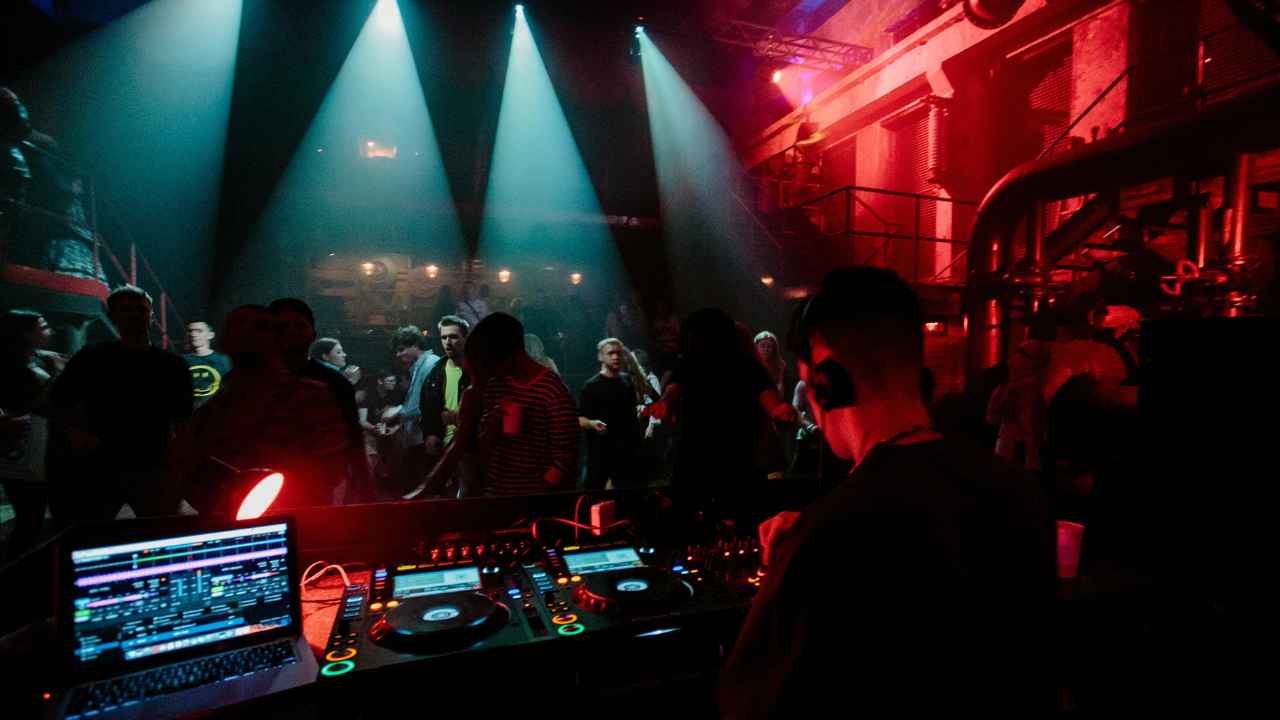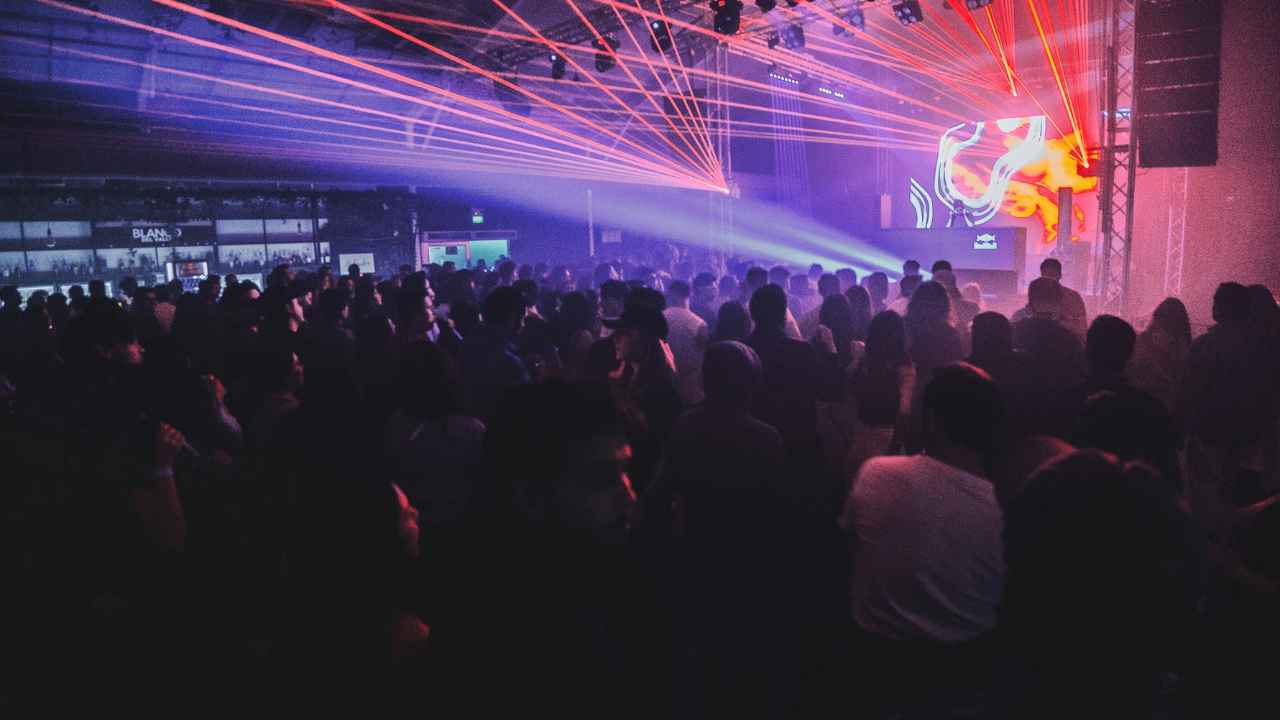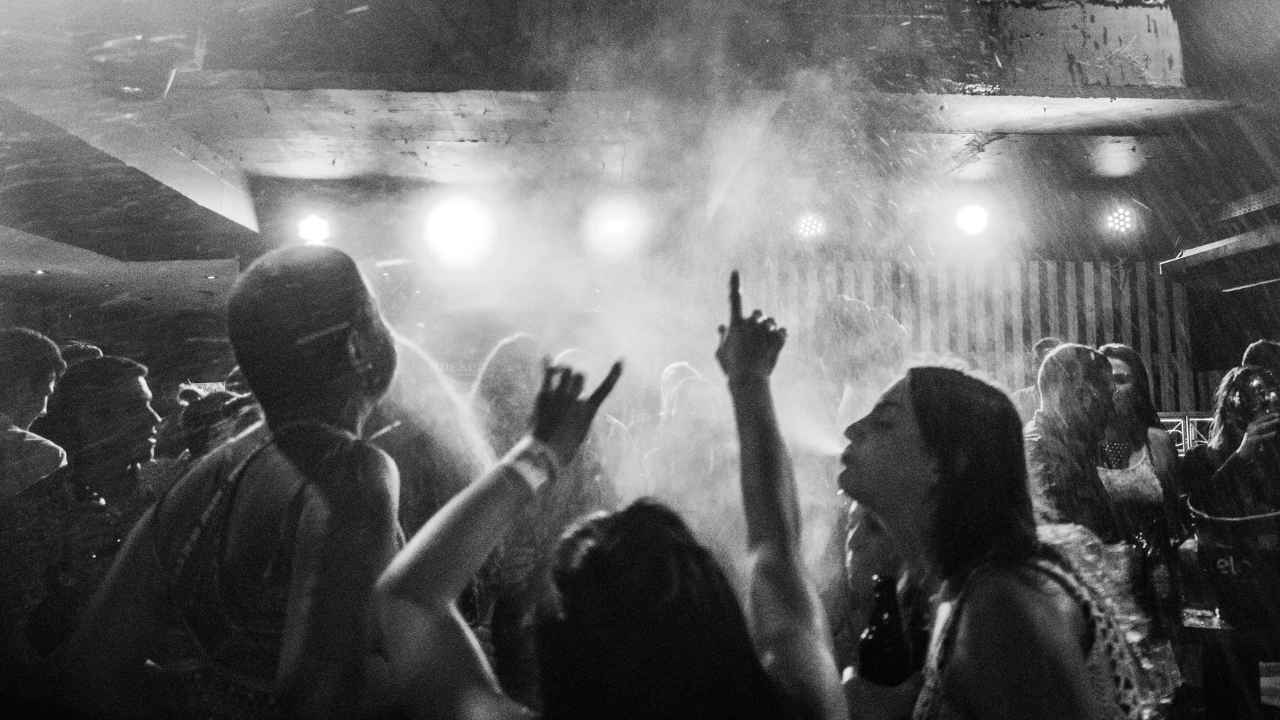
India’s techno scene has moved from niche underground rooms to a genuine dual-city force. Mumbai and Delhi now operate as the two poles of a rapidly maturing ecosystem.
Mumbai: Scale and infrastructure
Mumbai continues to lead on larger productions and international bookings.
Key 2026 developments:
- DGTL India’s first dual-city edition (Mumbai + Bengaluru) in November 2026, with Nina Kraviz and Stephan Bodzin among the headliners, confirmed the market’s ability to support major international techno bills.
- Regular programming at venues such as antiSOCIAL and Kitty Su keeps mid-tier and underground artists circulating.
- The city’s commercial infrastructure (venues, production companies, ticketing) makes it the natural base for bigger events and brand activations.
The challenge remains balancing commercial growth with the underground credibility that originally built the scene.
Delhi: Experimentation and intensity
Delhi’s strength is different. The city has developed a reputation for restlessness and experimentation.
- Smaller rooms and warehouse-style parties continue to thrive.
- A new generation of local artists is shaping a distinctly Delhi electronic sound that moves between techno, experimental and hybrid forms.
- Events in the capital often feel more raw and less polished than Mumbai’s larger productions — a quality many heads actively seek.
Shared trends across both cities
- Growing appetite for harder and more industrial techno alongside the established melodic and hypnotic strands.
- Increased presence of international hard-techno and warehouse names on short tours.
- Continued importance of local talent development. Indian artists are no longer just support acts; they are increasingly central to the bills.
- Brand interest is rising, but the most successful activations still respect the music-first culture.
Challenges that remain
Licensing, noise regulations and venue scarcity still constrain growth. The best promoters treat these constraints as design parameters rather than excuses. The scenes that survive long-term are the ones that protect the dancefloor experience while navigating the practical realities of operating in major Indian cities.
Mumbai and Delhi are no longer emerging markets. They are active, demanding scenes with their own standards and their own talent pipeline. For promoters, artists and production companies, the opportunity is real — provided the work stays rooted in the music.