The UK techno scene in 2026 is defined by resilience and decentralisation. While London remains the largest market, meaningful growth and energy are coming from Manchester and Scotland.
London: Still the heavyweight
London continues to offer the widest range of rooms and the densest calendar.
- Established institutions (fabric, FOLD, E1, The Cause, Drumsheds) still set the standard for sound and programming.
- Newer and mid-size spaces keep the underground circulating.
- Large-scale warehouse and seasonal events at Drumsheds and similar venues have become a core part of the calendar.
The city’s challenge is the same one it has faced for years: high costs and venue pressure. Many of the most interesting nights now happen in spaces that treat techno as a serious, long-form experience rather than a weekend product.
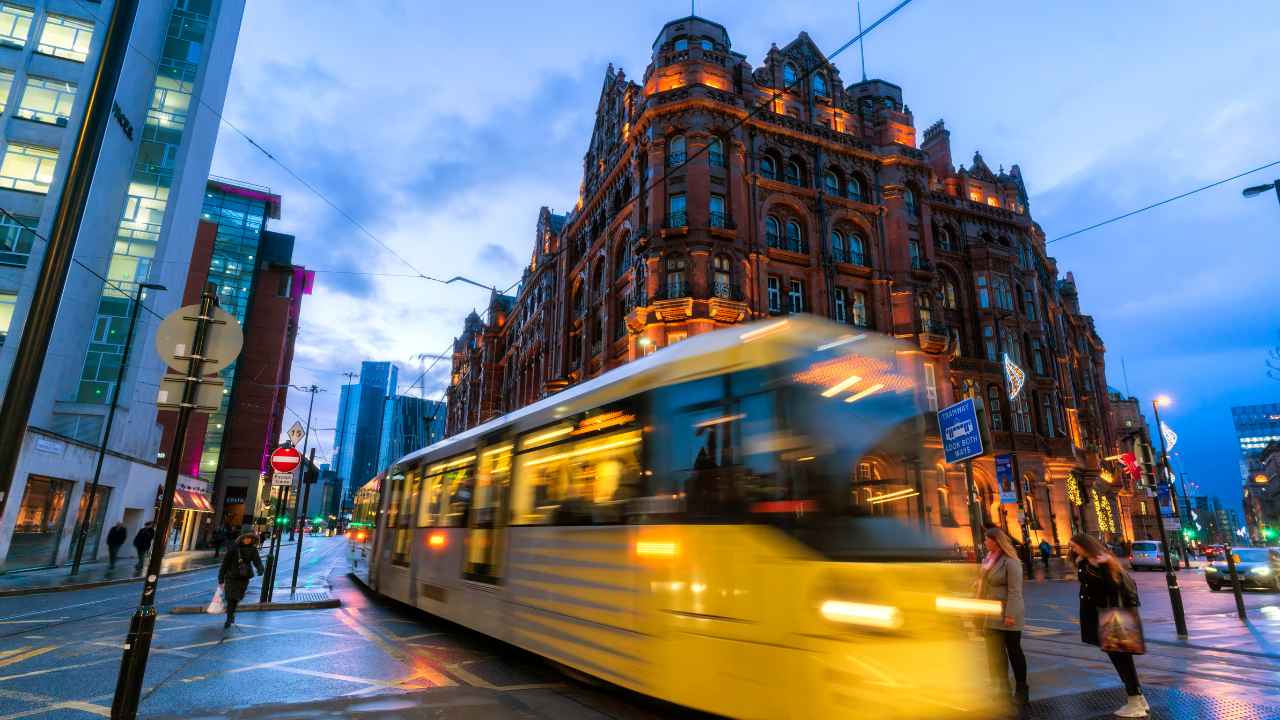
Manchester: Momentum and community
Manchester has quietly become one of the strongest techno cities in the UK.
- The Warehouse Project continues to deliver major seasonal programming.
- A dense network of smaller clubs and promoters maintains weekly activity.
- The city’s electronic music community feels tighter and more collaborative than London’s sprawling scene.
Hard techno and high-energy strands have found particularly strong audiences here, supported by promoters who understand both local taste and international routing.
Scotland: Growing confidence
Scotland’s techno and electronic scene has matured significantly.
- Terminal V in Edinburgh has established itself as a major destination event.
- Glasgow continues to support dedicated techno programming in clubs such as Sub Club and a rotating cast of independent nights.
- The overall electronic music infrastructure in Scotland benefits from a strong festival culture and committed local audiences.
Broader UK picture in 2026
Industry data shows electronic music events growing even as traditional nightclub numbers have declined. Activity is spreading: for the first time, more than half of UK electronic music events now take place outside London, with the North of England showing particularly strong growth.
Free and low-cost daytime events have also expanded, creating new entry points for audiences while the core late-night underground continues in dedicated rooms.
The UK scene remains competitive and demanding. Artists and promoters who succeed here tend to combine strong musical identity with operational reliability. The cities that are thriving are the ones where the music, the rooms and the communities still feel connected.