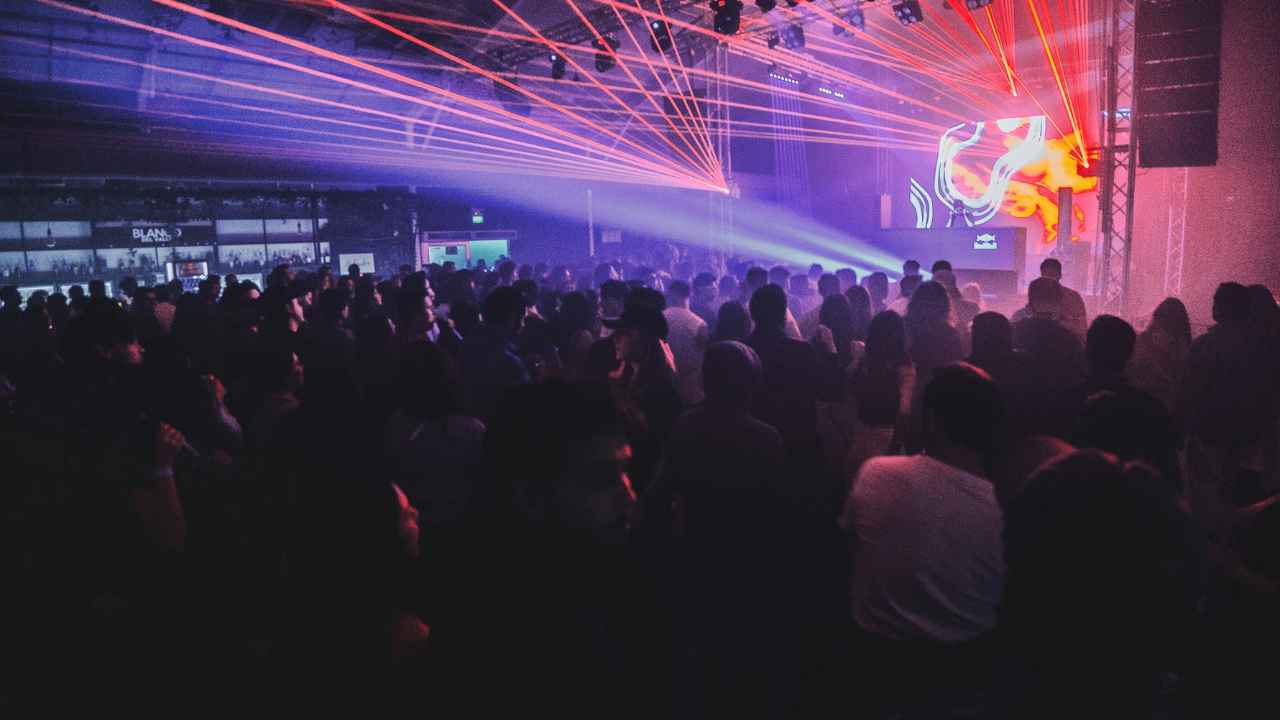
A great techno venue is not defined by capacity or Instagram aesthetics. It is defined by how the space, sound and atmosphere work together to serve the music and the people on the floor.
Here are the elements that consistently separate venues people return to from those they visit once.
1. Techno Sound System Architecture
Techno is physical. The kick must be felt in the chest, not just heard.
Key requirements:
- Even coverage across the dancefloor (no dead spots, no painful hotspots)
- Tight, controlled low end without excessive boom
- Enough headroom so the system is not pushed into distortion at peak volume
- Proper DJ monitoring so the artist can actually hear what they are doing
Function-One, L-Acoustics, Void and similar systems dominate serious techno rooms for a reason. But even a mid-range system, correctly tuned and positioned, outperforms an expensive one that was installed without acoustic consideration.
2. Spatial Layout and Room Design
Ideal characteristics:
- High ceilings or industrial proportions that allow sound to breathe
- Minimal natural light and reflective hard surfaces (darkness helps focus)
- Good sightlines to the booth without the DJ feeling isolated or overly elevated
- Separation between dancefloor, bar and chill areas so energy does not leak
Warehouses, converted industrial spaces and purpose-built dark rooms remain the gold standard. Overly polished multi-purpose venues often struggle to create the intensity techno needs.
3. Lighting Design and Club Atmosphere
Lighting should support the music, not compete with it.
Effective approaches:
- Minimal, high-contrast lighting that can go almost black
- Strategic use of strobes, lasers and haze
- Avoid constant colour washes that turn the room into a nightclub rather than a techno space
The goal is immersion. When the lights drop and the system hits, the outside world should disappear.
4. Venue Infrastructure and Ventilation
Overlooked but critical:
- Reliable power and proper stage/booth power distribution
- Effective ventilation and temperature control (a sweating, oxygen-starved room kills energy)
- Clear entry/exit flows and sensible capacity management
- Decent artist facilities (green room, toilets, secure storage)
- Noise isolation that keeps neighbours and licensing authorities manageable
5. Booking Programming and Door Policy
A great physical space is wasted without consistent programming.
The strongest techno venues:
- Maintain a clear musical identity
- Book artists who fit the room rather than chasing trends
- Cultivate regulars who understand and protect the vibe
- Apply a door policy that prioritises people who are there for the music
Festival vs club differences
Festivals need the same core principles scaled up: powerful, evenly distributed sound, stages designed for intensity rather than spectacle, and clear separation between different musical zones. The best outdoor techno stages still feel like they have walls of sound and darkness even under open sky.
A venue that gets these fundamentals right becomes a destination. Artists want to play there. Crowds return. The music does the rest.